Menu
Get a free consultation
863.225.0254
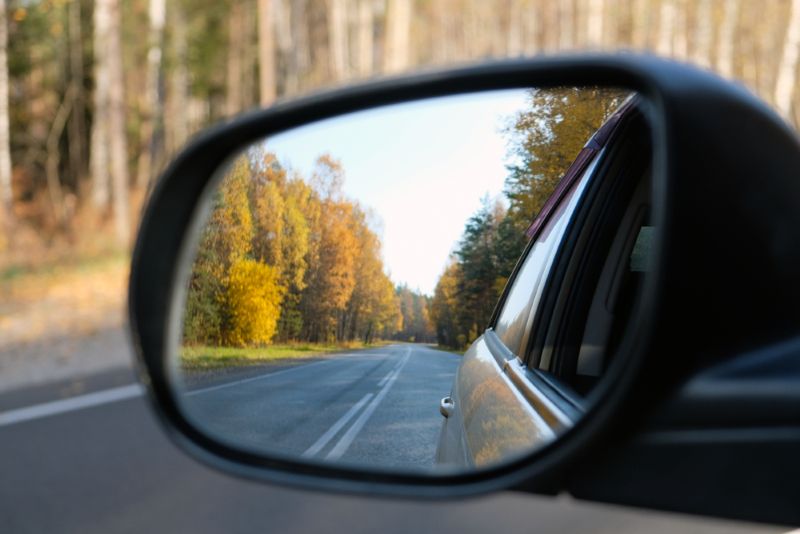
Motorcycle accidents can happen in seconds, particularly when a driver changes lanes without noticing a motorcycle traveling nearby. Because motorcycles are smaller than passenger vehicles, they can be difficult to see in side mirrors and blind spots. When a collision occurs, drivers sometimes argue that the motorcyclist was responsible for staying out of their blind spot.
However, riding in another driver's blind spot does not automatically make a motorcyclist liable for an accident. Under Florida law, determining fault generally requires examining each driver's actions and whether either party failed to exercise reasonable care. For injured motorcyclists in Winter Haven, understanding how liability is determined can make a significant difference when pursuing compensation.
Florida drivers have a legal responsibility to make sure they can change lanes safely.
Under Florida Statutes § 316.085, drivers generally must remain within a single lane and cannot move into another lane until they have determined that the movement can be made safely.
This responsibility applies even when another vehicle is traveling in a blind spot.
Before changing lanes, drivers should check their mirrors, look over their shoulders when appropriate, use turn signals, and confirm that adjacent lanes are clear.
For example, imagine a motorcyclist traveling alongside a passenger vehicle on Cypress Gardens Boulevard in Winter Haven. The driver begins changing lanes without checking their blind spot and strikes the motorcycle.
The driver may be liable if the evidence shows they failed to ensure the lane change could be completed safely.
Simply claiming that the motorcycle was difficult to see does not automatically excuse a driver's failure to exercise reasonable care.
Our Winter Haven motorcycle accident attorneys can help injured riders investigate collisions and determine whether another driver's negligence contributed to their injuries.
Florida law does not generally prohibit a motorcyclist from traveling in another vehicle's blind spot.
Motorcycles have the same general rights to use public roadways as other motor vehicles, although specific traffic regulations apply to motorcycle operation.
For example, Florida Statutes § 316.209 addresses motorcycle lane use and prohibits certain practices, including operating a motorcycle between lanes of traffic or between adjacent lines or rows of vehicles.
However, legally traveling within a marked lane next to another vehicle is not automatically a traffic violation simply because the motorcycle is positioned in the driver's blind spot.
That distinction is important when determining liability.
A motorcyclist may be exercising reasonable care while traveling in an adjacent lane, even if the motorcycle is not immediately visible in the other driver's mirrors.
At the same time, motorcyclists have a responsibility to operate their vehicles safely and remain attentive to surrounding traffic.
The fact that a motorcycle was in a blind spot is only one consideration in evaluating the circumstances of a collision.
Yes. Although drivers must check for motorcycles before changing lanes, motorcyclists can also contribute to accidents through negligent behavior.
Florida follows a modified comparative negligence system for many personal injury claims.
Under Florida Statutes § 768.81, an injured party's compensation may be reduced according to their percentage of responsibility for the accident.
In negligence actions governed by Florida's modified comparative fault rule, a claimant who is found more than 50% responsible generally cannot recover damages.
For example, suppose a driver changes lanes without checking their blind spot, but the motorcyclist was also traveling significantly above the speed limit.
An investigation might determine that both parties contributed to the collision.
If the motorcyclist is found 20% responsible and the total recoverable damages are $100,000, the compensation would generally be reduced to $80,000.
However, comparative negligence is not automatic. The evidence must support a finding that the motorcyclist's conduct contributed to the accident or resulting injuries.
For injured riders in Winter Haven, challenging unsupported allegations of shared fault can be an important part of protecting a motorcycle accident claim.
Several types of motorcycle operation may become relevant when determining fault after a blind spot collision.
A motorcyclist traveling above the posted speed limit may have less time to react when another vehicle begins changing lanes.
Excessive speed may also make it more difficult for other drivers to accurately judge the motorcycle's approach.
However, speeding does not automatically establish liability. Investigators must consider whether the speed contributed to the collision.
Attempting to pass another vehicle without sufficient clearance may increase the risk of an accident.
For example, a motorcycle that rapidly approaches a vehicle while making an unsafe passing maneuver may create a dangerous situation.
Florida's traffic laws governing passing and lane changes apply when evaluating whether either party acted negligently.
Motorcyclists must remain attentive to changing traffic conditions.
A rider who fails to notice an obvious hazard because of distraction may share responsibility for an accident in some circumstances.
Florida generally prohibits motorcycle lane splitting, which involves riding between lanes or rows of vehicles.
If a motorcyclist is lane splitting when a collision occurs, that conduct may become relevant to the liability investigation.
However, violating a traffic law does not necessarily establish that the motorcyclist caused the accident. The circumstances and causal connection still matter.
Determining liability requires more than accepting either driver's account of the collision.
Insurance companies and attorneys may examine physical evidence, witness statements, and other information to reconstruct what happened.
Important evidence may include:
For example, surveillance footage from a business near a Winter Haven intersection might show a driver abruptly changing lanes while a motorcycle was traveling at a consistent speed.
That evidence could help establish whether the driver failed to check the adjacent lane.
In other cases, physical evidence may indicate that the motorcycle was approaching at an unsafe speed.
Because fault disputes can arise quickly, preserving evidence after a motorcycle accident is especially important.
A driver who causes a motorcycle accident may argue that the motorcycle was invisible in their blind spot.
However, failing to see another vehicle does not necessarily eliminate liability.
Florida drivers are expected to maintain a proper lookout and use reasonable care when operating their vehicles.
A driver who changes lanes without adequately checking for surrounding traffic may still be negligent even if they genuinely did not notice the motorcycle.
The key question is whether the driver acted reasonably under the circumstances.
For example, a driver who checks only one mirror before making a sudden lane change may have failed to take appropriate precautions.
On the other hand, unusual circumstances involving a motorcyclist's speed, positioning, or unsafe maneuver could affect the liability analysis.
Each Winter Haven motorcycle accident must be evaluated based on its specific facts rather than assumptions about who should have seen whom.
When another driver's negligence causes a motorcycle accident, the injured rider may be entitled to compensation for resulting losses.
Depending on the circumstances, recoverable damages may include:
Motorcycle accidents can cause particularly serious injuries because riders lack the protective structure surrounding occupants of passenger vehicles.
Common injuries include fractures, traumatic brain injuries, spinal cord damage, and severe road rash.
Florida's no-fault personal injury protection requirements generally do not apply to motorcycles in the same way they apply to qualifying passenger vehicles.
As a result, injured motorcyclists often must pursue available compensation through liability insurance claims or other applicable sources.
The amount recoverable depends on the severity of the injuries, the evidence of negligence, insurance coverage, and any comparative fault findings.
Taking appropriate steps after a collision can protect both your health and your potential injury claim.
If you are involved in a motorcycle accident in Winter Haven:
Insurance adjusters may attempt to attribute fault to the motorcyclist based on their position in a blind spot.
A thorough investigation can help determine whether that allegation is supported by the evidence.
Riding in another driver's blind spot does not automatically make a motorcyclist responsible for a collision. Florida law requires drivers to exercise reasonable care when changing lanes, and liability depends on the conduct of everyone involved.
If you are dealing with injuries from a motorcycle accident in Winter Haven, our attorneys are here to help. Call us today or connect with us online to schedule a consultation.