Menu
Get a free consultation
863.225.0254
Rear-end collisions are among the most common types of car accidents in Florida. Many drivers assume that the rear driver is automatically responsible whenever one vehicle strikes another from behind. While that is often the starting assumption, the reality is more complicated.
In Winter Haven and throughout Florida, determining fault in a rear-end accident requires a careful analysis of the circumstances surrounding the crash. There are situations where the lead driver may share responsibility or where liability is not as clear-cut as it initially appears.
Understanding how Florida law approaches rear-end collisions can help accident victims better understand their rights and potential options for pursuing compensation.
Florida law generally recognizes a rebuttable presumption that the rear driver is responsible in a rear-end collision.
This presumption exists because drivers are expected to maintain a safe following distance and remain attentive to changing traffic conditions.
Drivers should have enough time and space to react if traffic slows, stops, or encounters hazards on the roadway.
Common reasons rear-end accidents occur include:
Because these factors often contribute to rear-end crashes, the rear driver frequently bears responsibility.
However, the presumption of fault is not absolute.
A rebuttable presumption means that fault is initially assigned to the rear driver unless evidence shows otherwise.
The rear driver may present evidence demonstrating that another factor contributed to the accident or that the lead driver acted negligently.
If sufficient evidence exists, liability may be shared or shifted depending on the circumstances.
This is why a thorough investigation is important following any rear-end collision in Winter Haven.
Yes.
There are situations where the lead driver's actions may contribute to a rear-end accident.
Examples may include:
Drivers are permitted to stop for legitimate traffic-related reasons. However, an abrupt and unnecessary stop may raise questions about liability.
For example, stopping suddenly without a valid reason in moving traffic could potentially contribute to a collision.
Brake lights play an important role in warning following drivers that a vehicle is slowing down or stopping.
If a lead vehicle's brake lights are not functioning properly, a rear driver may have less opportunity to react safely.
A driver who abruptly changes lanes directly in front of another vehicle may create a situation where a collision becomes unavoidable.
These cases often involve disputes regarding timing, speed, and available reaction distance.
Although less common, some rear-end collisions occur because the lead vehicle unexpectedly moves backward.
In those situations, liability may differ significantly from a typical rear-end accident.
Florida follows a modified comparative negligence system.
This means fault may be allocated among multiple parties when more than one person contributes to an accident.
For example, a lead driver may have stopped unexpectedly while the rear driver was following too closely. In that scenario, both drivers could potentially share responsibility.
The percentage of fault assigned to each party may affect the amount of compensation available.
Because comparative negligence can significantly influence the outcome of a claim, insurers often investigate rear-end accidents carefully.
Establishing liability often requires gathering evidence from multiple sources.
Important evidence may include:
The location and severity of vehicle damage can also provide important clues regarding how the accident occurred.
A detailed investigation often becomes critical when fault is disputed.
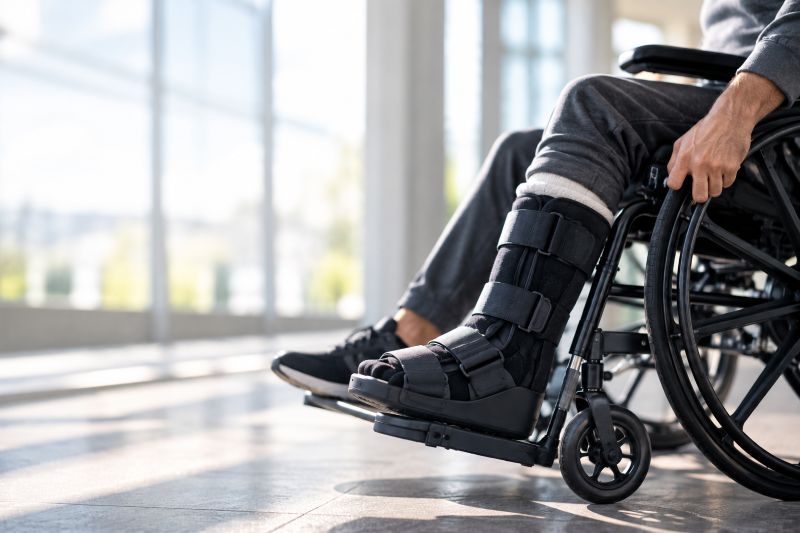
Although some rear-end crashes occur at relatively low speeds, they can still cause significant injuries.
Common injuries include:
Symptoms do not always appear immediately after a collision. In some cases, pain and mobility issues may develop days later.
Seeking prompt medical attention can help protect both your health and any future injury claim.
Individuals injured in rear-end accidents may be entitled to recover compensation for losses resulting from the crash.
Depending on the circumstances, damages may include:
The amount of compensation available often depends on the severity of the injuries, the evidence supporting the claim, and the allocation of fault.
Victims seeking guidance after a collision can learn more from our Winter Haven car accident attorneys.
Even when fault initially appears straightforward, insurance companies may challenge aspects of a rear-end accident claim.
Insurers may dispute:
Because of these disputes, it is important to preserve evidence and document all medical treatment following an accident.
The steps taken after an accident can have a significant impact on a future claim.
Important actions may include:
These steps can help protect your rights and strengthen your case.
While rear drivers are often presumed to be at fault in Florida rear-end accidents, that presumption is not always the end of the story. Factors such as sudden stops, defective brake lights, unsafe lane changes, and other circumstances may affect how liability is determined.
If you are dealing with injuries after a rear-end collision, our attorneys are here to help. Call us today or connect with us online to schedule a consultation.