Menu
Get a free consultation
863.225.0254
Car accidents occur throughout Florida every day, leaving drivers, passengers, pedestrians, and other road users facing potentially serious injuries. While some collisions result from unpredictable circumstances, many involve preventable behaviors such as distracted driving, speeding, impaired driving, and failing to obey traffic signals.
Florida's busy highways, growing communities, and year-round tourism create additional challenges for motorists. In cities like Winter Haven and throughout Polk County, drivers frequently encounter congested intersections, commercial vehicles, unfamiliar motorists, and changing weather conditions.
Understanding the most common causes of car accidents can help drivers recognize dangerous situations and better understand their legal options when another motorist's negligence results in an injury.
Florida consistently records hundreds of thousands of traffic crashes each year, making roadway safety a significant concern for residents and visitors.
According to the Florida Department of Highway Safety and Motor Vehicles (FLHSMV), statewide crash reports document collisions involving passenger vehicles, motorcycles, commercial trucks, pedestrians, and bicyclists.
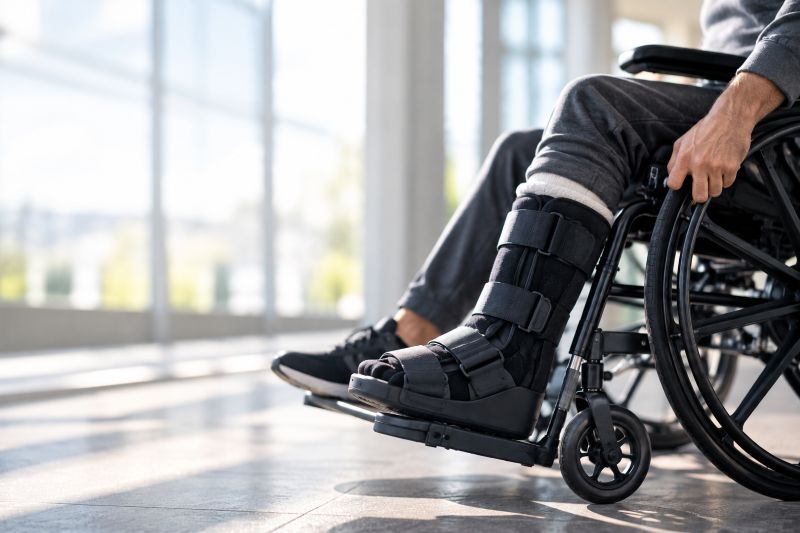
These incidents range from relatively minor property damage accidents to devastating collisions involving permanent disabilities and fatalities.
Polk County experiences substantial traffic activity due to its location between the Tampa and Orlando metropolitan areas. Major routes such as Interstate 4, U.S. Highway 27, and State Road 60 carry commuters, tourists, and commercial traffic throughout the region.
In Winter Haven, collisions may occur along busy roads such as Cypress Gardens Boulevard, U.S. Highway 17, and other heavily traveled corridors.
Although every accident involves unique circumstances, several recurring factors contribute to crashes throughout Florida.
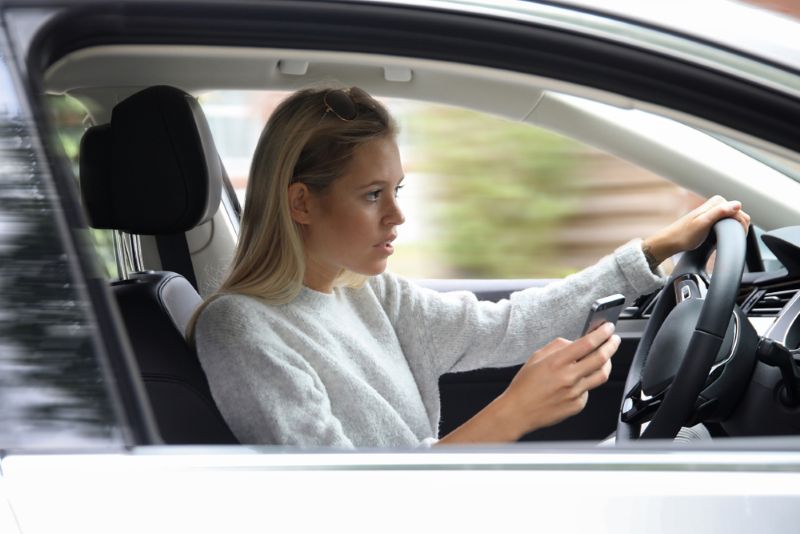
Distracted driving is one of the most significant preventable roadway hazards.
Drivers who divert their attention from the road may fail to notice slowing traffic, pedestrians entering intersections, or vehicles changing lanes.
Common distractions include:
Florida law prohibits manually typing or entering information into a wireless communications device for nonvoice interpersonal communication while operating a motor vehicle, subject to statutory exceptions.
Additional restrictions apply to handheld wireless device use in designated school crossings, school zones, and active work zones.
Even a brief distraction can have serious consequences. At highway speeds, a vehicle can travel a considerable distance before the driver looks back at the road.
Distracted driving accidents frequently involve rear-end collisions, sideswipe crashes, and failures to yield.
Speeding increases both the likelihood of a collision and the severity of injuries when an accident occurs.
Drivers traveling above the posted speed limit have less time to respond to unexpected hazards and require greater distances to stop.
However, driving at an unsafe speed does not always mean exceeding the posted limit.
For example, a driver traveling at the legal speed limit during a heavy Florida rainstorm may still be driving too fast for the conditions.
Speed-related accidents can occur when motorists:
High-speed collisions can cause traumatic brain injuries, spinal cord injuries, fractures, and other serious medical conditions.
For drivers traveling along Interstate 4 or other major Polk County highways, maintaining a safe speed is particularly important when traffic conditions change suddenly.
Impaired driving remains a serious traffic safety concern throughout Florida.
Alcohol and certain drugs can affect reaction time, judgment, coordination, and the ability to recognize roadway hazards.
Florida law generally prohibits operating a vehicle with a blood alcohol concentration of 0.08 percent or higher. Drivers may also face DUI charges when alcohol or certain substances impair their normal faculties, even without a qualifying breath or blood alcohol result.
Impaired drivers may engage in dangerous behaviors such as:
When an impaired driver causes an accident, injured victims may have grounds to pursue compensation through a personal injury claim.
Our Winter Haven car accident attorneys can investigate the circumstances of a collision and help determine whether another driver's negligence contributed to the injuries.
Intersections are common locations for serious vehicle collisions.
Drivers must follow traffic signals, stop signs, and right-of-way requirements to avoid conflicts with other motorists, pedestrians, and bicyclists.
Failure-to-yield accidents may occur when a driver:
These behaviors can result in side-impact collisions, which are particularly dangerous because vehicle occupants have less structural protection along the sides of their cars.
Busy intersections throughout Winter Haven and surrounding Polk County communities require drivers to remain attentive and anticipate the actions of others.
Aggressive driving involves dangerous behaviors that disregard the safety of other road users.
Examples include excessive speeding, unsafe lane changes, cutting off other vehicles, and following too closely.
Tailgating is especially dangerous because it reduces the following driver's ability to stop when traffic slows unexpectedly.
Rear-end collisions frequently occur when motorists fail to maintain adequate following distances.
Although the trailing driver is often responsible for these accidents, determining liability requires examining the circumstances of the collision.
Drivers should maintain sufficient space between vehicles and adjust their following distance when traffic, visibility, or weather conditions deteriorate.
Florida's weather can change quickly, particularly during the summer thunderstorm season.
Heavy rain, standing water, and reduced visibility can make driving significantly more hazardous.
Common weather-related risks include hydroplaning, reduced tire traction, longer stopping distances, and difficulty seeing roadway markings.
Roadway conditions can also contribute to accidents when motorists encounter potholes, construction zones, inadequate signage, or debris.
However, poor weather does not automatically excuse negligent driving.
Motorists are generally expected to adjust their speed and behavior to account for reasonably foreseeable road conditions.
For example, a driver who continues traveling at highway speeds during heavy rainfall may be found negligent if that decision contributes to a collision.
Determining liability after a Florida car accident requires examining how the collision occurred and whether another party failed to exercise reasonable care.
Evidence may include police reports, photographs, witness statements, traffic camera footage, and vehicle damage.
Florida follows a modified comparative negligence system for most negligence actions. Under Florida Statutes Section 768.81, a claimant who is more than 50 percent responsible for an accident generally cannot recover damages in actions governed by that provision.
Additionally, Florida's no-fault insurance system generally requires injured motorists to first seek certain benefits through personal injury protection coverage.
However, individuals who satisfy Florida's applicable serious injury threshold may pursue additional damages against an at-fault driver.
The availability of compensation depends on the injuries, insurance coverage, liability evidence, and other circumstances.
Many Florida car accidents result from preventable mistakes, including distracted driving, speeding, impaired driving, and failure to follow traffic laws. When another motorist's negligence causes serious injuries, victims may have legal options for recovering compensation.
At Kemp Injury Law, we represent individuals and families injured in car accidents throughout Winter Haven, Lakeland, Polk County, and surrounding Florida communities. Our team can investigate the cause of a collision, evaluate available insurance coverage, and help injured clients pursue compensation for their losses.
If you or a loved one has been injured in a car accident, contact Kemp Injury Law to discuss your situation and learn how we may be able to help.